In 1965, America had exactly 50 breweries. The beer landscape was so flat that Budweiser, Miller, and Coors controlled 80 percent of the market. The average American drank light lager and drank it without question. The idea that beer could have flavor, character, or regional identity seemed not just unusual but slightly wrong. Then one man spent $50,000 on a broken brewery in San Francisco, and everything changed.
The Before Times: What Beer Looked Like in 1970
To understand the craft beer revolution, we need to understand what came before it. Prohibition ended in 1933, and by the 1950s, consolidation had transformed American brewing from a regional patchwork into a factory system. The mega-breweries didn't want to brew interesting beer. They wanted to brew consistent, light, inexpensive beer that could be shipped across the country. Beer was a commodity. It had no terroir, no seasonal releases, no sense of place.
Innovation had stopped. A bartender in 1970 served the same pale lager to every customer. There was no menu. There was no variation. There was only beer, and it all came from the same three companies. Drinkers accepted this because they had never known anything different.
The tie between beer and place, which had defined brewing for 500 years, was erased. A brewery in Milwaukee made the same product as one in St. Louis. Regional pride meant nothing. The local brewery was gone. The idea that a small group of people could brew something distinctly theirs seemed like nostalgia, not possibility.
The First Wave: Fritz Maytag and the American Craft Revolution
Fritz Maytag came to the Anchor Brewing Company in San Francisco in 1965 as a venture capitalist with a simple idea. He wanted to save a brewery that made interesting beer. The brewery was broken. Its equipment was old. Its sales were collapsing. In conventional business terms, Anchor made no sense. Maytag bought it anyway. Then he did something radical: he made the beer better.
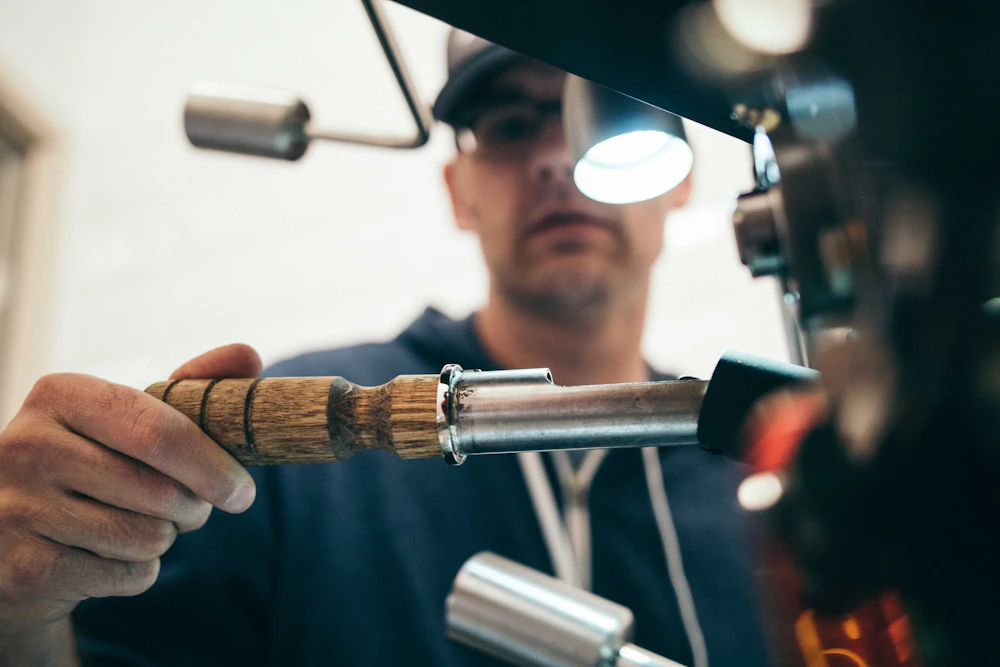
Anchor Steam was already a legendary San Francisco beer, but it was fading. Maytag brought in a brewing staff and rebuilt the recipe using traditional techniques. He aged the beer properly. He balanced the hops. He created something with actual flavor. And he did it when the entire beer industry was moving in the opposite direction.
Word spread. Home brewers heard about Anchor. Bartenders stocked it. By 1973, legalization of home brewing gave the movement intellectual fuel. Suddenly, thousands of people could legally brew beer at home. They studied. They experimented. They learned what good beer could be.
Then in 1978, Congress legalized home brewing, and the dam broke. Home brewers became brewers. Breweries opened in garages, in warehouses, in basements. The pioneers who had learned to make beer at home looked at the commercial space and saw an opportunity not just to profit but to create something permanent.
Sierra Nevada and the Pale Ale That Changed Everything
In 1980, Ken Grossman and Paul Camusi opened Sierra Nevada Brewing Company in Chico, California. They brewed a pale ale with an enormous hop profile. It was aggressive, flavorful, and utterly different from anything the macro breweries had ever made. Sierra Nevada Pale Ale became the first mass-produced craft beer to gain national distribution.
This was the moment craft beer became unstoppable. Sierra Nevada showed that craft beer could be made at scale. It showed that American consumers actually wanted flavor. It showed that a small brewery could compete with giants not by undercutting price but by offering something genuinely better. The beer world split in two.
Home brewers looked at Sierra Nevada and decided to start their own breweries. Boston Beer Company started in 1984 with Samuel Adams Boston Lager. Anchor had been a redemption story. Sierra Nevada had been a success story. Samuel Adams was a validation: craft beer was not a niche. It was the future.
How Craft Beer Spread to Europe and Beyond
American craft brewers studied beer history. They learned about Belgian Trappist ales and British cask ales. They traveled to Europe and drank the classics. Then they came home and recreated them. This created a feedback loop. American brewers made Belgian-style beers better than they had been made in decades. European brewers noticed. They started making their own versions of American IPAs.
The UK craft beer movement started around 2010 with breweries like BrewDog and Kernel. These were young brewers who had studied the American craft movement and decided to bring the same energy to Britain. They made aggressive hops, huge flavors, and had no respect for the traditional cask ale establishment. They were, essentially, American craft brewers who happened to be British.

Today, craft beer is truly international. Go to Amsterdam and you find local breweries making IPAs alongside Belgian browns. Go to Portland, Oregon, which declared itself the craft beer capital, and you find 50 breweries within an hour. Go to anywhere on the planet and you find young brewers who learned by studying the American craft movement online.
We recommend exploring our craft beer bar guide for the best places to drink these beers. For specific cities, check out New York's craft beer scene, London's craft beer bars, or Portland's legendary breweries.
The Tap Room Revolution: How Breweries Became Destinations
For most of beer history, breweries were factories. You visited them on a tour, you saw the equipment, and you went home. Craft breweries changed this. They built tap rooms. They created community spaces. A brewery became a place where people wanted to spend their Friday night.
The tap room became the heart of craft beer culture. People came for the beer but stayed for the atmosphere. Breweries sponsored local sports teams, hosted community events, and became civic institutions. In a world where national beer had replaced local beer, craft breweries restored the idea that drinking could be tied to place.
We wrote a complete guide to ordering at craft beer bars and a comprehensive guide to Portland's craft beer bars, which includes everything you need to know about navigating the modern tap room scene.
The best tap rooms feel less like bars and more like living rooms. There is no pretense. You walk in, you talk to the bartender, you learn about what was just brewed. The brewery becomes personal. You return week after week and you become part of the community. This is the opposite of the macro brewery experience, where beer is interchangeable and anonymous.
What Craft Beer Culture Looks Like in 2025
The numbers are staggering. In 1965, there were 50 breweries in the United States. Today there are over 9,500. The market share of independent craft breweries has grown from essentially zero to nearly 25 percent of the total beer market. The revolution is complete.
But the revolution has also changed. The earliest craft breweries were idealistic. They wanted to make better beer. Today, many are owned by venture capital. Some have been bought by the macro breweries. The story is more complicated than the legend.
And yet, the fundamental change is permanent. A bartender today serves 20 kinds of beer. A drinker today has choice. Beer today has flavor, character, and identity. You can drink a beer made by five people in a garage in Oregon or a 400-year-old recipe imported from Belgium. You can visit craft beer bars in New York that have 300 beers on tap. You can understand beer by region, by style, by season.
Craft beer transformed drinking culture by doing something simple: it gave people choices. It said that beer mattered, that taste mattered, that your drinking experience could be better than it was. It took something that had become a commodity and made it interesting again. And it never stopped. Every week, somewhere in the world, a group of people opens a new brewery and brews something that no one has ever tasted before.
The craft beer revolution is not finished. It is just beginning.