La Vía Láctea opened on Calle de Velarde in 1979 and became one of the defining bars of the Movida Madrileña, the cultural surge that followed the end of the Franco era. It still runs late in the heart of Malasaña, trading on rock and pop, neon, and a sense of the city's countercultural memory. The Madrid City Council marked the façade with a commemorative plaque in 2021.
The bar's place in music history is well documented. According to its Spanish Wikipedia entry, the room helped launch Madrid bands including Sex Museum and the Pleasure Fuckers, and its regulars in the 1980s ran from Pedro Almodóvar to the artists Ceesepe and García Alix. The interior, with televisions stacked above the bar and bold graphic design, was styled after bars in London and New York.
Today it works as a late-night music bar rather than a strict concert venue, with DJs and a rock-leaning soundtrack pulling a mixed crowd of students, night owls, and visitors tracing the Movida. esMadrid lists it among the neighbourhood's heritage nightlife, and Time Out files it under the city's enduring late spots.
It stays open until roughly 3:30am, and the energy climbs as the night goes on. Drinks are cheap by central-Madrid standards, which keeps the room loyal to a younger and budget-minded crowd.
This is a place for atmosphere and history more than for cocktails or quiet talk. Anyone who wants the story of Malasaña's 1980s reinvention can read it on the walls and in the crowd.
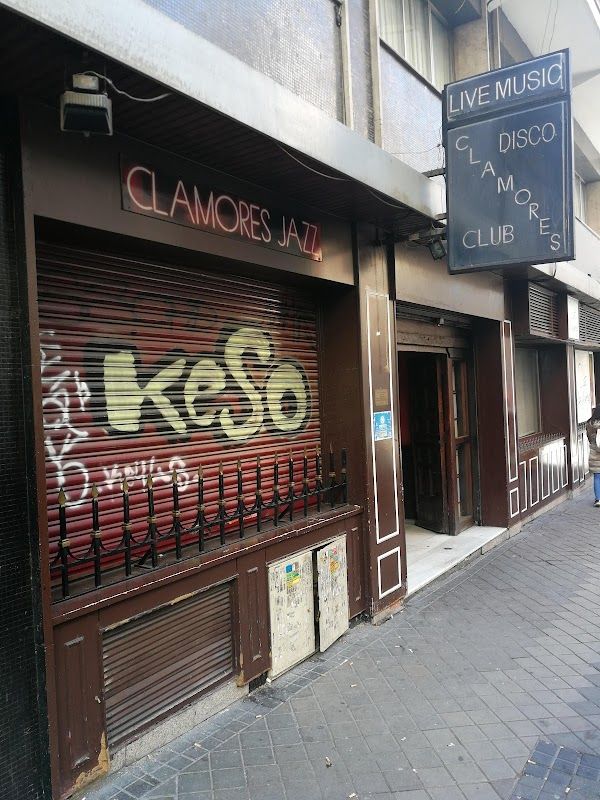
The bar sits at the centre of Madrid's live and late scene. Pair it with the singer-songwriter stage at Libertad 8, the funk and soul nights at Marula Café, or the broader programming at Clamores.
The walls carry the history. Televisions stacked above the bar, bold graphics, and murals nod to the Costus artists who decorated the early room, and the design was modelled on bars the founders had seen in London and New York. Its Wikipedia entry records the venue as a launch pad for Madrid bands and a regular haunt of the era's filmmakers and artists.
The sound today leans rock and pop with DJ sets, and the room works as a late bar rather than a ticketed concert hall. esMadrid and Time Out both file it among Malasaña's enduring nightlife, and the crowd mixes students, night owls, and visitors retracing the Movida. Drinks stay cheap for central Madrid.
It runs until roughly half past three, and the energy builds as the night deepens. This is a place for atmosphere and music history more than cocktails or quiet talk. The verdict is a living piece of the city's countercultural story that still does its original job.
For anyone tracing the Movida on foot, the bar anchors a Malasaña route that takes in the neighbourhood's record shops, plazas, and other surviving venues from the era. The 2021 commemorative plaque on the façade makes the stop official, and the room behind it still earns the listing rather than coasting on nostalgia. Reviewers describe a crowd that spans original regulars and first-time visitors, which is the clearest sign the place still works.
The bar's survival is itself part of the story, since many of the Movida's original venues have closed or changed hands over four decades. That it still trades on the same street, under the same name, with a crowd that mixes generations, is what keeps it on heritage-nightlife lists rather than in the history books alone. The music is loud, the lighting is low, and the point is the continuity.
Keep exploring with our best live music bars in Madrid guide, the full Madrid bar guide, and our edit of the best live music bars worldwide.
Sources: Wikipedia, the city tourism board's esMadrid listing, and Time Out Madrid. Last verified June 2026.