The Story
Medellín's Living Room
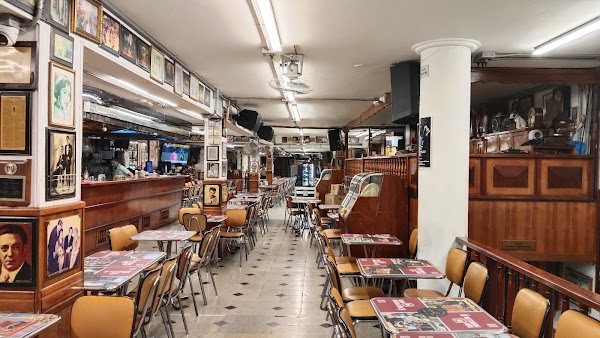
Some bars are establishments. El Eslabón Prendido is an institution. Embedded in the Manrique neighbourhood since the 1980s, this is the bar paisas talk about when they explain what Medellín actually sounds like. Not the tourist salsa clubs of El Poblado with their smooth floors and English-language menus — this is the real thing, rough-edged and glorious, with a dance floor that belongs to the neighbourhood and an audience that proves it.
The name translates roughly to "the lit-up link" — a chain link that burns. It's an apt metaphor for a place that connects generations. You'll find grandmothers who have been coming since the 80s dancing alongside their granddaughters who came for the first time last month. The music is the through-line: live salsa orquestas on weekends, curated vinyl sets on weeknights, always loud enough that conversation requires you to lean in close.
The space is unassuming — a large open room, painted walls, mismatched chairs pushed to the edges when the dancing starts in earnest. There is no velvet rope, no bottle service, no dress code beyond whatever you wore to get here. The doorman will ask for a small cover on weekends when a band is playing, usually COP 10,000–20,000, which feels almost insulting given the calibre of music inside.
The Music
Orquestas on the Weekend
El Eslabón books live salsa orquestas every Friday and Saturday — full bands, brass sections, proper call-and-response singing. The acts are local Medellín and Cali talent who have played together for years, and the tightness shows. Sunday afternoons are reserved for picós, the sound system culture native to the Colombian Caribbean, where a DJ operates towering custom speakers and the music shifts between salsa, cumbia, and champeta.
Weeknights are quieter but never silent. The bar runs a vinyl programme on Tuesdays and Thursdays — a rotating cast of local selectors who treat the records like sacred texts. If you're staying in Medellín for a week, plan one night here mid-week and one on a Saturday. You will understand the city better for it.
What to Order
Drinks & Prices
Getting There
Know Before You Go
El Eslabón Prendido is in Manrique, one of Medellín's hillside comunas — north of the city centre and not on most tourist maps. That distance is part of the point. Take the Metro to Acevedo station on Line A, then a taxi or Uber the final kilometre up the hill. The trip is safe and the drivers all know the bar by name.
Arrive after 9pm on weekends when the orquesta is warmed up and the dance floor is full. Come with cash — the bar does not accept cards and the ATMs in the immediate area are limited. Dress comfortably for dancing; this is not a place for stilettos or anything you'd mind getting sweaty.
For a full Medellín salsa night, combine this with a visit to Son Havana in Laureles for pre-drinks — it bridges the tourist and local worlds well — then head uphill to El Eslabón for the real thing. Also worth knowing: Demente in El Centro does a respected Sunday session for those who want to stay in the city's core.