Zum Dürnbräu sits on Dürnbräugasse 2, a narrow lane off the Tal in Munich's Altstadt, and it is one of the oldest drinking houses in the old centre.
The city tourism site muenchen.de and the tavern's own history page tell the same story. Brewing on this plot is recorded from 1607, when the Munich brewer Georg Dürr, known to locals as Dürr, gave the house the name it still carries. In 1840 the Spaten brewer Gabriel Sedlmayr married into the family, and the brewing rooms later became a malt house that worked until 1903. The tavern notes that it was one of the few houses in the Munich old town to survive the Second World War, which is why the room still feels older than almost anything around it.
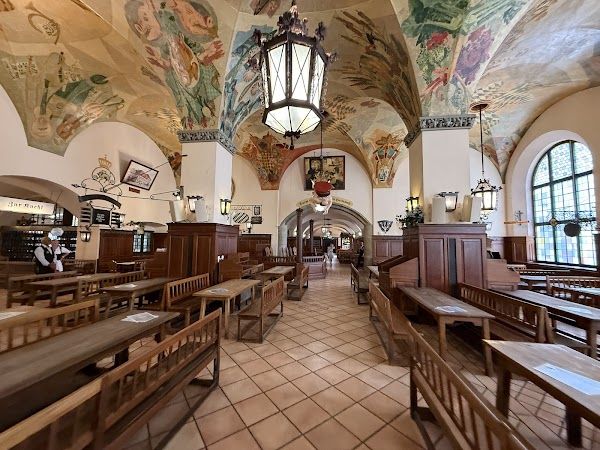
The space is a classic Munich Wirtshaus. Dark wood, a low ceiling, regulars' tables, and a small courtyard garden for warm days. There is no stage set and no theme. The trade is beer and Bavarian home cooking served to a mix of Altstadt workers, older regulars, and a few travellers who found the lane by accident. It opens Monday to Saturday from 11am to 11pm, with the kitchen running through the afternoon and evening.
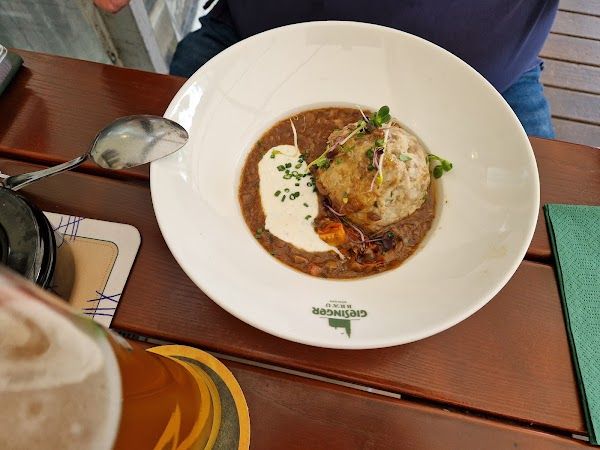
On what to order, the beer is the point. A fresh Helles or a wheat beer with a plate of Bavarian cooking is the standing order, and the tavern's kitchen is known for the everyday classics rather than for invention. Yelp reviewers single out the roast dishes and the boiled beef, which is the kind of plate this room has served for generations. Prices stay at neighbourhood level rather than tourist-square level, a real distinction this close to Marienplatz.
Who it suits: a long Bavarian lunch, an early evening beer with food, or a traveller who wants the old town without the Hofbräuhaus crowds. Who it does not suit: a late cocktail night or anyone after a quiet, modern room.
On timing, the calm window is the early afternoon and the first hour after opening, when the regulars hold the front tables and the courtyard is quiet. The room is busiest at midday and again at the dinner hour, and it closes earlier than the big beer halls, so this is a tavern for the daylight and early evening rather than the small hours.
For drinks history, Zum Dürnbräu is a clean line back to the time when Munich's beer was brewed in the same houses that poured it. The Spaten connection through Sedlmayr ties this lane to one of the breweries that shaped modern Bavarian lager, and the survival of the building through the war makes it one of the last places to read that history in the original room rather than a rebuild.
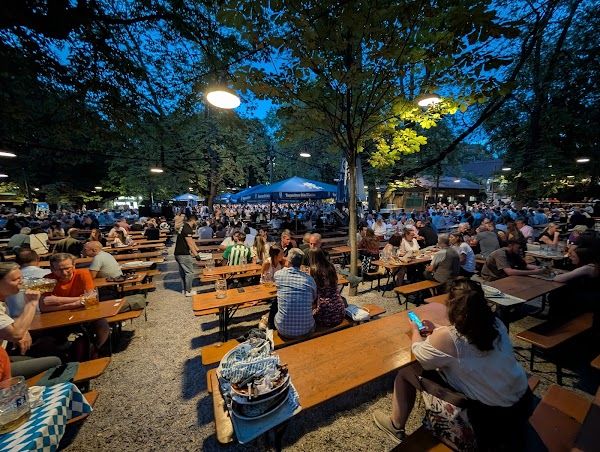
The courtyard is the seat to ask for in summer. Tucked behind the building off the lane, it gives a quiet table a few steps from the Tal, away from the foot traffic of Marienplatz. In the colder months the panelled inner rooms hold the warmth and the regulars, and the kitchen keeps the same short list of Bavarian staples running from lunch through the evening. The prices have stayed at neighbourhood level for years, which is the main reason the local trade has kept coming back rather than drifting to the tourist halls a few streets over.
For more of the city, see the best bars in Munich and the wider guide to pubs and taverns in Munich, or browse the national craft beer pillar for more beer-led rooms. For a quieter cocktail nearby in the same Altstadt, the panelled Bar Tabacco in Munich sits a short walk across the centre.
The plan is an early table, a Helles, and a plate of whatever the kitchen does best that day. For a piece of Munich's brewing past kept in its own walls, Zum Dürnbräu is one of the Altstadt's most honest survivors.