Trimani is the oldest wine house in Rome, founded by Francesco Trimani in 1821, and the family still runs it five generations on. The wine bar around the corner from the historic shop opened in 1991, and the city's tourism board Turismo Roma credits it as the first true wine bar in Rome.
Who would love it: anyone who treats a wine list as the main event and wants depth rather than a short by-the-glass card. Who should skip it: drinkers looking for a scenic central terrace, since Trimani sits in the working Esquilino streets near Termini rather than on a postcard piazza.
The numbers explain the appeal. The Trimani cellar runs to more than 5,000 labels across Italian regions and beyond, which means the by-the-glass and by-the-bottle range goes well past the usual rotation of safe names. Staff are used to guiding both locals and visitors through that depth, so an open question about a region usually returns a specific recommendation rather than a shrug.
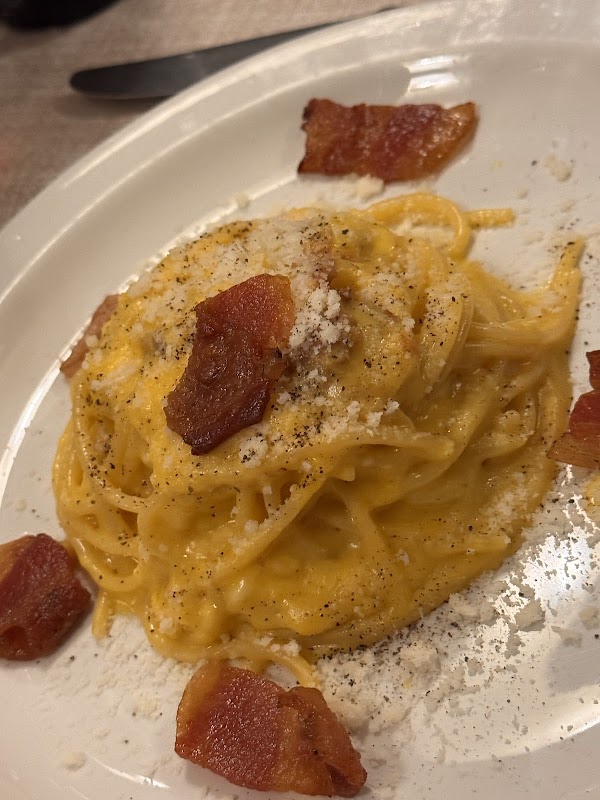
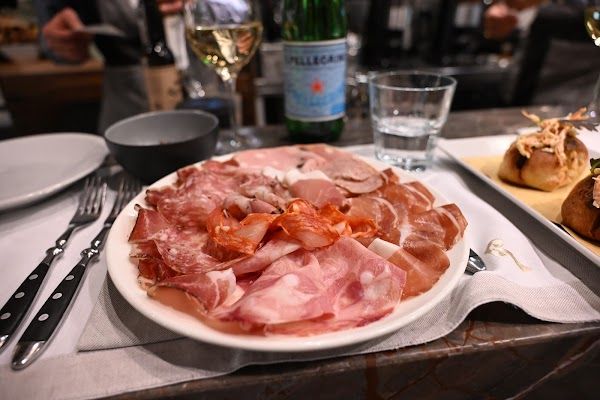
The kitchen keeps things in support of the glass, with cured meats, cheeses, and warm regional plates designed to sit beside the wine rather than upstage it. This is a place to order a flight, talk through it, and let the food follow, not to chase a single signature dish.
Location is the trade-off. Just off Via Cernaia and close to Termini station, Trimani is a short walk from the centre but firmly outside the tourist core, which keeps the room calmer than the wine bars clustered around the Pantheon. Lunch and early evening are the easiest windows; the bar draws a steady local trade rather than a crush.
For drinkers building a wine-led day, Trimani anchors the serious end of the city's list. See how it compares in our guide to the best wine bars in Rome, and browse the wider scene in our roundup of the best bars in Rome.
The bones of the place explain the depth. The enoteca has held the same address since 1876, and when the family opened the wine bar in 1991 it folded a working shop's inventory into a room where guests could sit and drink it. That link between cellar and table is why the glass list runs deeper than most.
The service is built for questions. Generations of running a shop with an established local and foreign clientele have made the staff comfortable matching a wine to a budget or a mood, and the bar treats a request for something off the beaten track as routine rather than a problem.
The food plays a supporting role on purpose. Cured meats, cheeses, and warm regional dishes are designed to frame the wine, so the order of business is a glass or a flight first and a plate to follow. This is a sit-and-taste room rather than a destination kitchen.
For timing, lunch and early evening are the calmest windows, when the local trade keeps the room steady without the late crush of the central bars. The walk from Termini is short, and the reward is a wine bar that treats its list as a library rather than a menu.
The verdict rewards the detour. Trimani trades a scenic central address for a cellar that few wine bars in the city can rival on age or range, and that is the whole point. A drinker who treats wine as the reason to go out will find more here than at a prettier table.
Across town, Il Goccetto works a centuries-old room near Campo de' Fiori, Enoteca Bulzoni brings a Parioli shop pedigree of its own, and Roscioli pairs a famous deli with a deep cellar. Trimani earns its spot among them on age and sheer range alone.