No bookings for the bar; the small dining room fills fast at lunch and dinner, so arrive early or take the zinc.
Café de la Nouvelle Mairie sits at 19 Rue des Fossés Saint-Jacques, a quiet pedestrian corner in the 5th arrondissement, two minutes from the Panthéon and the Place de l'Estrapade. It does not announce itself. A handful of pavement tables, a worn zinc counter, red banquettes and a blackboard are the whole of the design. What makes it matter is the list on that board. PUNCH credits it as one of the first natural wine bars in the city, a room that helped set the template every low-intervention cave à manger in Paris has copied since.
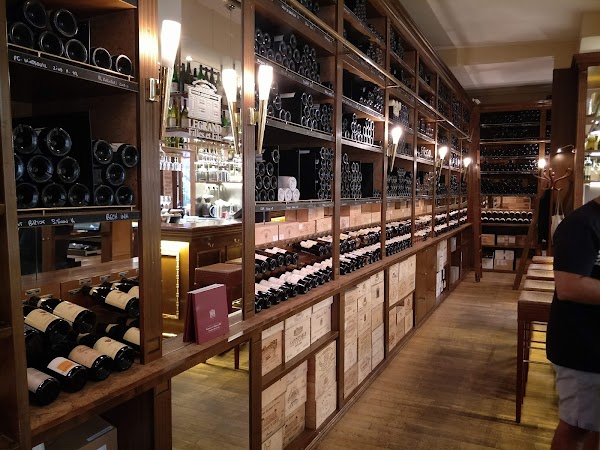
The format is the point. Fifteen to twenty wines are chalked up by the glass, almost all of them grower bottles from small French estates, and the markup sits barely above what you would pay at a wine shop. Paris by Mouth notes the cellar leans hard on Beaujolais, the spiritual home of the natural movement, with bottles from the Morgon and Fleurie growers who built the genre. This is a working café first and a wine destination second, which is exactly why it has aged so well.
The room
The space is tiny and unreconstructed. Old wall molding, tiled floor, a counter polished by decades of elbows. Lunch runs on local academics and Sorbonne staff; the evening pulls in a younger natural-wine crowd that knows the growers by name. Writer David Lebovitz, a fixture of the neighbourhood, has long pointed to it as the kind of address Parisians keep for themselves rather than the guidebooks. Seating is limited, so the counter is your friend on a busy night.
What to order
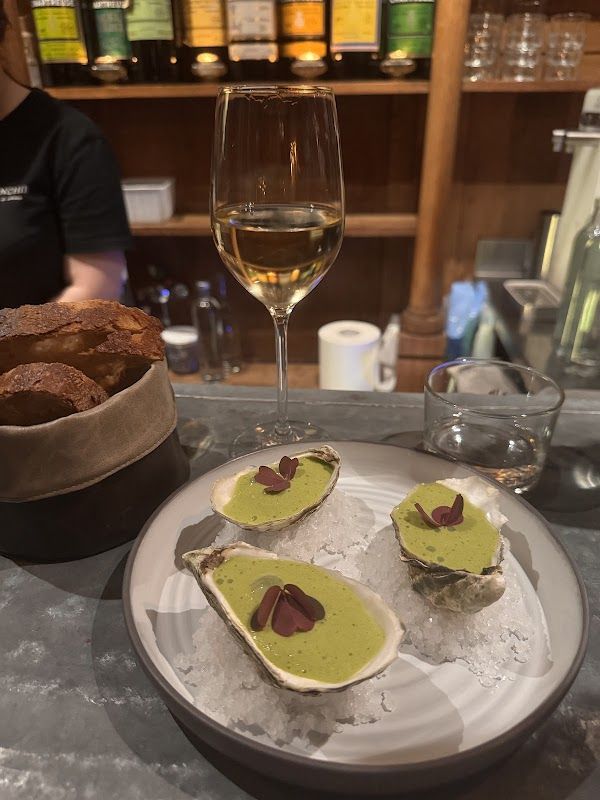
Start with whatever Beaujolais is open by the glass, usually a Morgon or a Foillard-style gamay, poured around 6 to 8 euros. Follow it with a Loire chenin or a chilled glass of low-intervention red, the house comfort zone. To eat, the kitchen runs a short bistro card of terrines, charcuterie and a daily plat that rarely climbs far above 18 euros. A glass and a plate of charcuterie here lands well under what the same wine costs across the river in Saint-Germain, which is much of the appeal. The list rotates constantly, so the honest move is to tell the counter what you drank last and let them point.
The cellar's depth is the reason regulars stay loyal. Because the by-the-glass selection turns over with whatever the growers have shipped, two visits a month apart rarely overlap. That churn is deliberate, and it is what separates a real wine bar from a list that has not moved in a year. For the wider field, see our guide to the best wine bars and the full Paris bar guide.
Who it is for
It is for drinkers who care about who farmed the grapes, for Latin Quarter locals who want a serious glass without a sommelier's lecture, and for anyone who would rather a zinc counter than a velvet banquette. It is not for large groups or anyone after cocktails; this is wine, coffee and conversation. For the cocktail end of the city, our cocktail bar collection covers the alternatives.
Best time to go
Come for an early evening glass before the dinner rush, roughly 6 to 7.30pm on a weekday, when the counter is free and the staff have time to talk through the board. Lunch is calm and local. The bar keeps weekday hours and closes at the weekend, so plan a Tuesday to Friday visit rather than a Saturday one.
Sources: PUNCH venue profile; Paris by Mouth; David Lebovitz; HiP Paris. Address and hours verified June 2026.