Most evenings are ticketed, and the single room shifts from cafe to concert space for the night. Buy ahead for the names that sell out, and arrive early for a seat near the front.
Cafe Oto sits on Ashwin Street in Dalston, a single open room that works as a cafe through the day and a concert space at night. Hamish Dunbar and Keiko Yamamoto opened it in 2008, and it has built a global name for free jazz, improvisation and the music that sits at the edges of every genre. The booking is the point, and the room books bravely.
Anyone who listens for the new and the unscored finds a programme here that few rooms anywhere can match. The bill runs from folk and electronica to noise and free improvisation, often within a single week, so a night here asks for an open ear. A listener who wants a familiar standard or a quiet drink with background music will be in the wrong room.
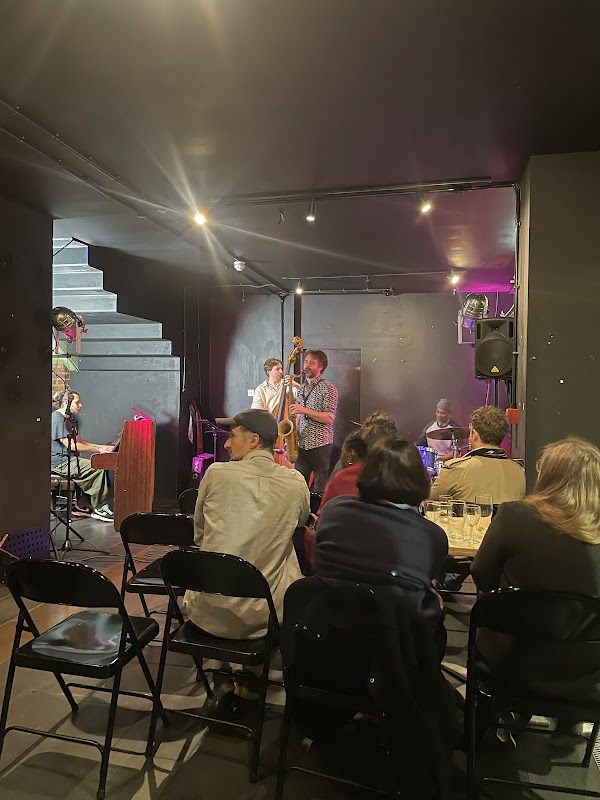
One plain, low-lit room holds about 150 between bare walls and a small cleared stage, and the seating changes to suit the night. The day cafe sends Persian-inspired plates and good coffee, then the chairs turn toward the players for the evening set. Vogue Italia once called it the coolest venue in London, and the room earns the line by keeping the focus on the music rather than the decor.
Since 2008 the room has become a home for musicians who work at the edges of jazz and improvisation, drawing players from across the world to a small Dalston street. Wikipedia notes the long line of names who have recorded and premiered work here, and the venue runs its own label to keep that catalogue in print. The bare setting is the point, since nothing competes with the sound, and the lineage of the room rests in the bills it has booked rather than any fixture on the wall.
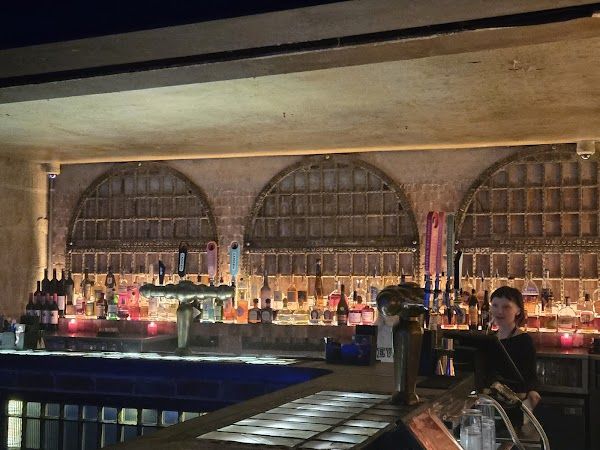
The bar runs through the evening rather than closing for the music, and stays open to around 12:30am on show nights. Drinks lean toward natural wine, craft beer near 6 pounds and simple spirits, priced for a Dalston crowd rather than the West End. The kitchen keeps a short menu of Persian-inspired food earlier in the day, per the venue's own information page. The drink is a companion to the set here, not the reason to come.
The crowd is devoted and well informed, drawn from across the city and often from much further. The room turns near silent during a set, since the audience comes for the listening, and the composer Daniel Blumberg thanked the venue from the Oscar stage in 2025. The welcome is warm and the dress code is none.
A nightly bet on the new, from free jazz to noise, in one of the city's bravest rooms.