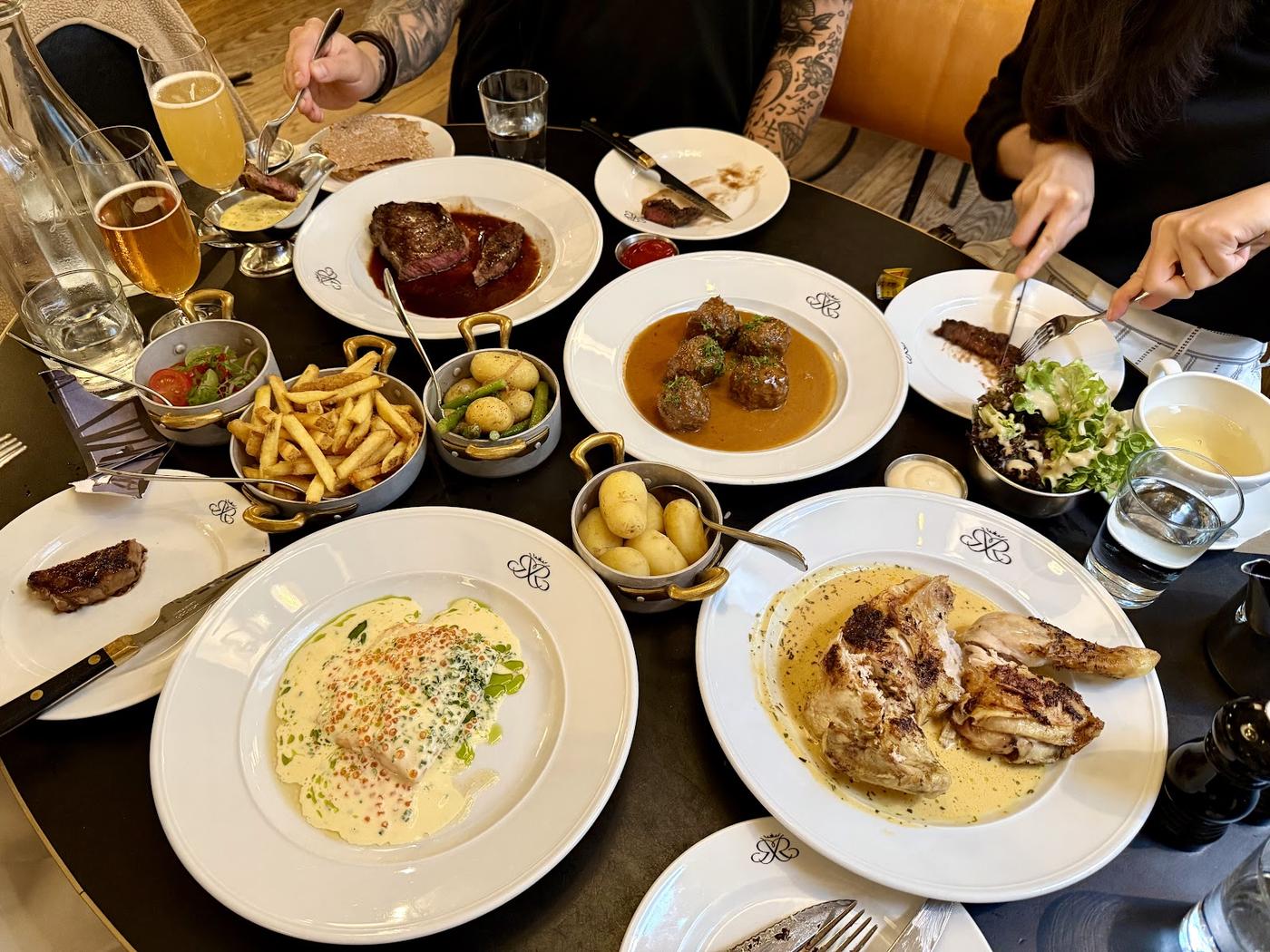
Sturehof has anchored Stureplan since the Marcus family era began in 1897, growing from a beer bar called Malta into what many call Stockholm's first proper seafood restaurant. The long brasserie carries a cocktail bar and a wine bar alongside the dining room, in the polished heart of Östermalm.
Who would love it: anyone who wants a Martini and a plate of shellfish in a room with white linen, uniformed waiters, and a century of history. Who would find it less their speed: drinkers chasing an experimental menu, because the appeal here is the classics done right rather than novelty.
The history is part of the draw. Ernst Marcus opened the room as Malta in 1897, the name changed to Sturehof in 1905, and the family ran it until 1976. The Marcus brothers brought seafood back from relatives on the island of Möja in the archipelago and from the west coast, and turned a beer bar into a fish restaurant when that was a new idea in the city. Many of the original dishes still sit on the menu today.
The room runs wide and busy under a preserved interior, with the bar working as a meeting point before dinner and a late stop after. The cocktail bar and the wine bar give two distinct ways in: one for a quick stand up drink, the other for a slower glass with shellfish. Upstairs, O-baren keeps a livelier music crowd going late. Visit Stockholm and Falstaff both list Sturehof among the city's landmark addresses, and Yelp regulars single out the seafood and the service.
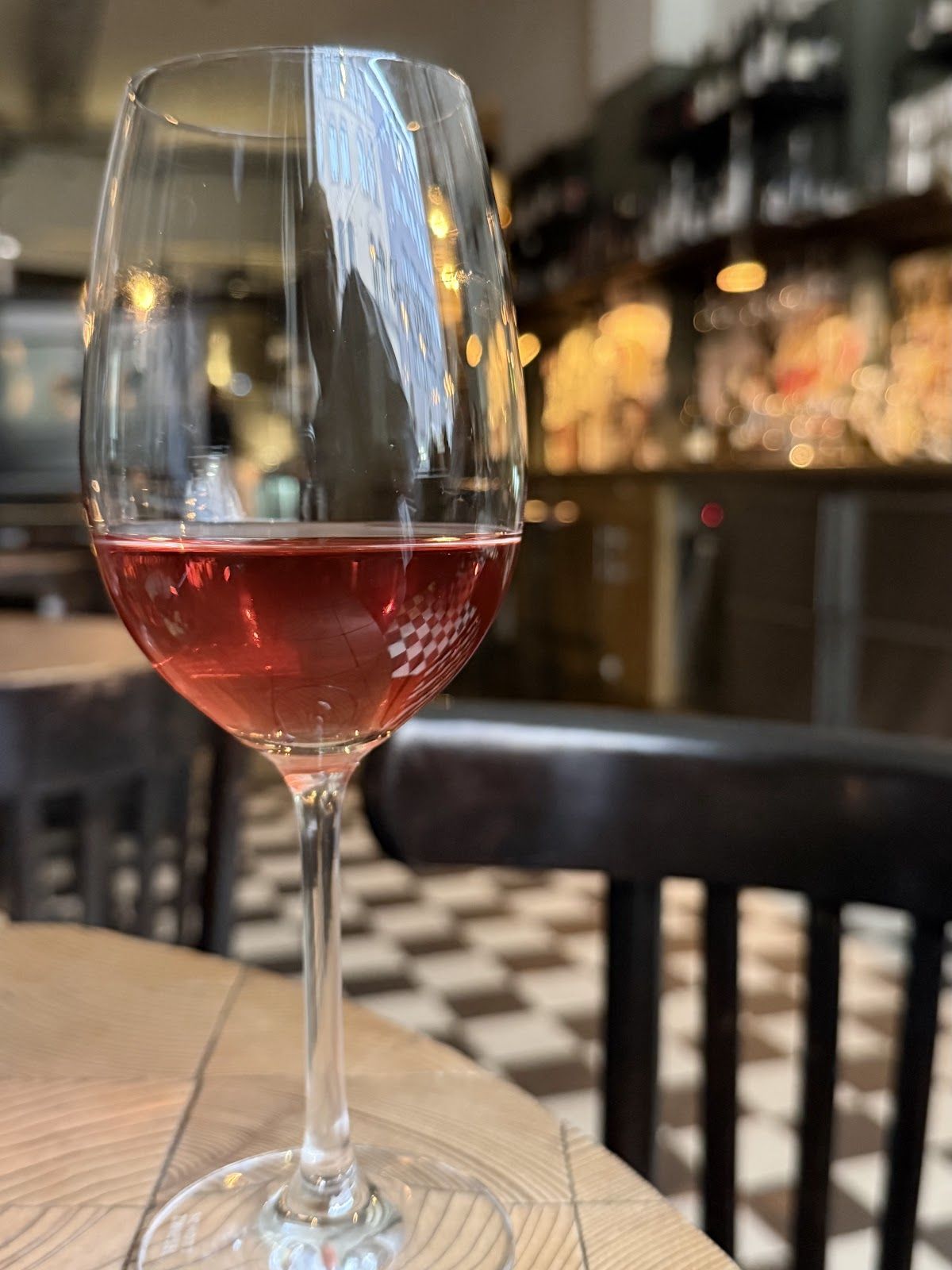
Order a cold Martini or a glass from the deep wine list and pair it with the Toast Skagen, the dish the kitchen is known for. The shellfish platters and Swedish husmanskost classics, from Baltic herring to turbot with browned butter and the daily catch, have been on the menu in some form since the early days. The wine bar runs long on Champagne and white Burgundy, the natural match for the raw bar. This is a place to drink the classics rather than the new.
The crowd shifts through the day. Lunch pulls a business and shopping set off Stureplan, the early evening fills with people meeting before dinner, and the late hours bring a dressed up crowd that drifts upstairs to O-baren. Service stays formal without being stiff, and the bar staff handle a busy room well.
It fits a long lunch, a drink before the theatre, or a late night that runs upstairs. The brasserie opens late morning and runs until two, so timing is flexible. Weekday afternoons are the calmest, while Stureplan evenings fill the bar fast, so a reservation helps if you want a table for the seafood.
For all the history, the practical pull is simple. Few rooms in Stockholm let you stand at a proper bar with a cold drink, watch a busy dining room work, and order oysters without booking weeks ahead. The nearest transit is Östermalmstorg, roughly a hundred metres away, and Berzelii Park sits just down the block. Dress is smart but not strict, and the staff are used to walk in drinkers as much as long dinners. The crowd skews older and well heeled in the early evening, then loosens as the night runs on and the music upstairs picks up. For a first visit, aim for a seat at the bar around six, order a Martini and a dozen oysters, and let the room fill around you.
For more of the area, see our guide to the best bars in Östermalm, the literary front room at Riche, and the natural wine list at Tyge and Sessil. It also features in our best cocktail bars in Stockholm guide.