Junction Underground sits at the bottom of a steep staircase on Dundas Street West, a 150-capacity basement room that took over the space and the booking calendar of the long-running Junction City Music Hall and reopened under its current name.
Anyone who wants live music close enough to read the setlist off the floor will settle in fast. Anyone after a quiet table and a long wine list should keep walking, because the room is built around the stage at the back, not the bar.
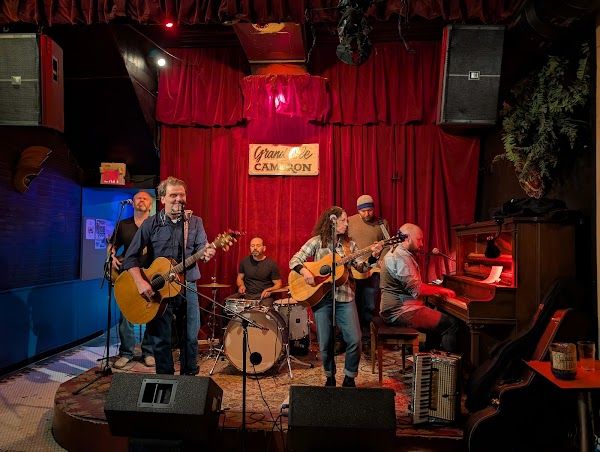
The space is a narrow rectangle below street level: wood booths along one wall, a bar fronted with a reclaimed timber log, and vintage pinball and arcade machines wedged into the corners. A KV2 Audio rig drives the small stage, which is the reason touring acts keep the date even after the rename.
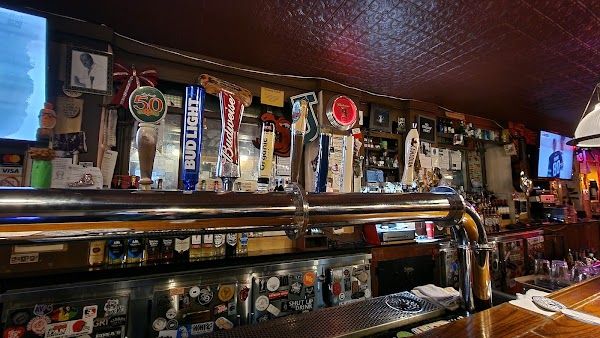
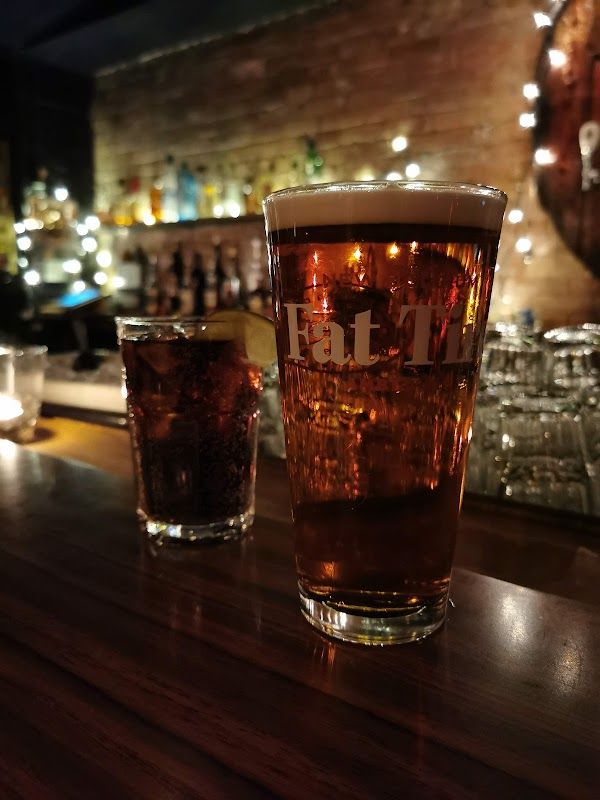
The drinks list runs to cocktails, local draught and cans rather than a deep spirits programme. Order one of the house cocktails before the band starts and switch to Ontario draught once the floor fills. The kitchen leans on comfort plates aimed at people who came to stand for three hours, not to dine.
Programming is the draw. A single week can hold an indie rock bill, a soul and house DJ night, comedy, an open mic and late karaoke, with a stated focus on local talent. The JazzInToronto directory lists the room among the city's working live-music venues, and Bandsintown carries its rolling 2026 concert calendar.
Best time to go is Friday or Saturday after 9pm, when the room is at full tilt; doors generally open at 8pm and the weekend stretches to 2am. Thursdays run quieter and cheaper, the better night if the point is the band rather than the crowd.
The Junction was one of Toronto's last dry districts, with licensed alcohol sales restricted for most of the twentieth century, so the strip of bars along Dundas West is a relatively recent arrival. Junction Underground reads as part of that shift, a late-night room in a neighbourhood that did not long have one, and the booking calendar inherited from Junction City Music Hall gives it a head start on the newer rooms nearby.
Reviews on Yelp and the Destination Toronto listing point to the same strengths and the same warnings: a strong sound system and tight booking against a small floor that sells out, reached by a staircase steep enough to notice on the way down. Regulars treat early arrival as the price of a clear view, and the wood booths near the bar go first.
Practical notes matter at a room this size. The food is built to feed people who came for a show, and the bar runs cocktails, draught and cans rather than a spirits library. Cover charges apply on headline nights and tickets sell in advance for the bigger bills, so checking the calendar before turning up saves a wasted trip. The venue lists a Thursday-to-Saturday core week, with the room dark earlier in the week, and the steep entrance stair is worth knowing about for anyone with mobility concerns. For a first visit, a local indie bill on a Friday is the clearest read on what the room does well. Tickets and event details are posted on the venue's own calendar, which is the reliable source for set times and cover.
It earns its place among the city's after-dark rooms. Read it next to the rest of our guide to live music bars in Toronto, part of the wider Toronto bar guide, and see where small rooms like it sit among the world's best live music bars.
Sources: Junction Underground official site; Yelp (Junction Underground, updated June 2026); JazzInToronto venue directory; Bandsintown concert calendar.