Trader Vic's Tokyo has poured at Hotel New Otani in Kioicho since 1974, which makes it one of the longest-running tiki bars in Asia and, by most accounts, one of the best-preserved outposts of the brand anywhere.
It suits drinkers who want the original article: a classic tiki program in a hotel setting, with the founding Mai Tai recipe and a kitchen built around the same Polynesian playbook. It is less of a fit for anyone chasing a cheap round; this is a destination hotel bar with prices to match. For a modern, small-room counterpoint, the tropical-leaning Bar Trench in Ebisu sits at the other end of Tokyo's tiki spectrum.
The room
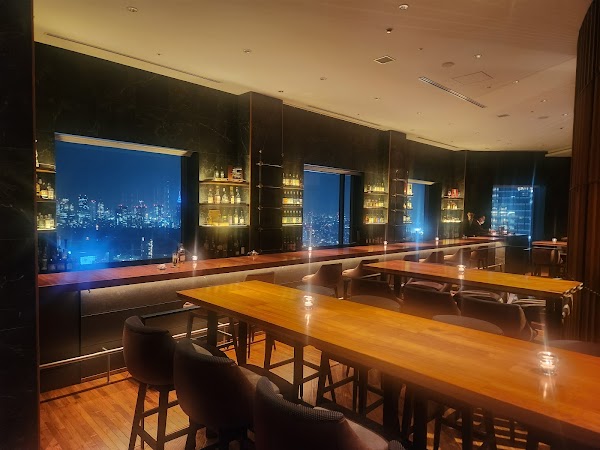
The Boathouse Bar is the heart of it, and per Tokyo Weekender it lists more than 80 of Trader Vic's signature cocktails, the Original Mai Tai among them. The space leans into carved wood, island detailing, and a wood-fired oven the kitchen uses for its barbecue, and the half-century at the same Hotel New Otani address shows in the patina. Where many tiki rooms are recent revivals, this one has run continuously since 1974, which is why it reads as the genuine article rather than a tribute.
The citable point of pride is provenance: the chain's founder, Victor Bergeron, is widely credited with creating the Mai Tai, and the Tokyo room serves it close to the source. That lineage is the reason a hotel bar at this price holds its place in a city full of cheaper, newer tropical rooms.
What to order
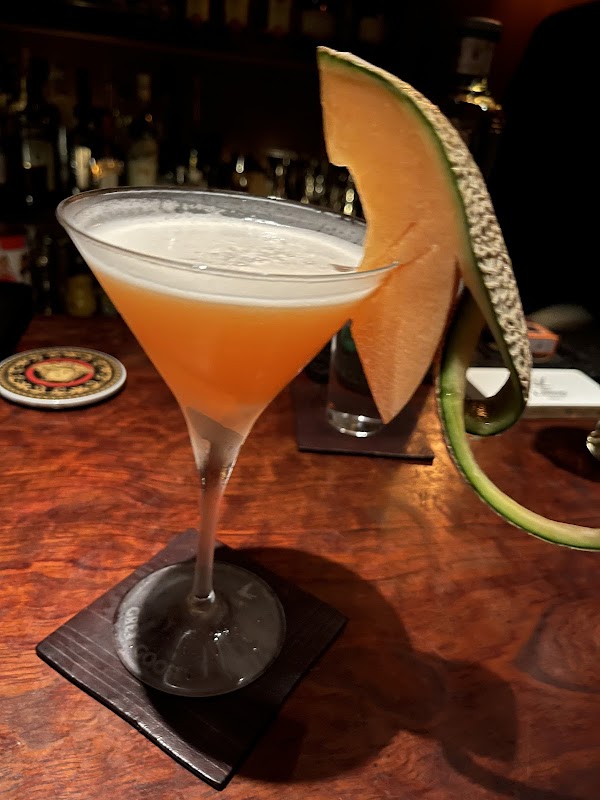
The Original Mai Tai is the non-negotiable first round; ordering anything else first at a Trader Vic's misses the point. The spareribs and other dishes from the wood-fired oven are what most regulars and reviewers pair with the drinks, and they are built to share. From there the long tiki list is the playground: a rum-forward classic such as a Scorpion or a Navy Grog is the safe second move, and the kitchen's barbecue keeps a table going through a third. The list runs past 80 cocktails, so a return visit always has somewhere new to go.
The crowd and best time to go
The room draws hotel guests, special-occasion tables, and tiki travelers who came specifically for the Mai Tai at the source. Best time to go is the weekday lunch-to-evening window, when the bar opens at 11:30am and the room is calm before dinner service; weekends open later, at 4:30pm, and fill faster. A quiet weekday afternoon is the insider window for an unhurried first round. Half a century in one room is its own recommendation in a category where most bars are far younger, and that continuity is why the Tokyo outpost is treated as a benchmark.
What regulars say
Reviewers treat the Original Mai Tai and the wood-fired barbecue as the reasons to go and accept the hotel-bar pricing as the cost of the history. The room's longevity is the recurring point of praise, with visitors noting that few tiki bars anywhere have run this long in one place. The advice that repeats is to start with the Mai Tai and share the spareribs before working deeper into the list.
Who it's for
It is for classic-tiki drinkers, mai tai purists, and anyone marking an occasion who wants a hotel bar with history. It is not the budget pick. It anchors our Tokyo tiki bars guide and sits in the best tiki bars worldwide roundup; find more nearby on the Tokyo bar guide.